Could Digital Twins Turn Workers Into “Superworkers”? AI Clones Reshape the Future of Work
Companies experiment with AI-powered digital replicas of employees to boost productivity, cut hiring needs, and redefine performance
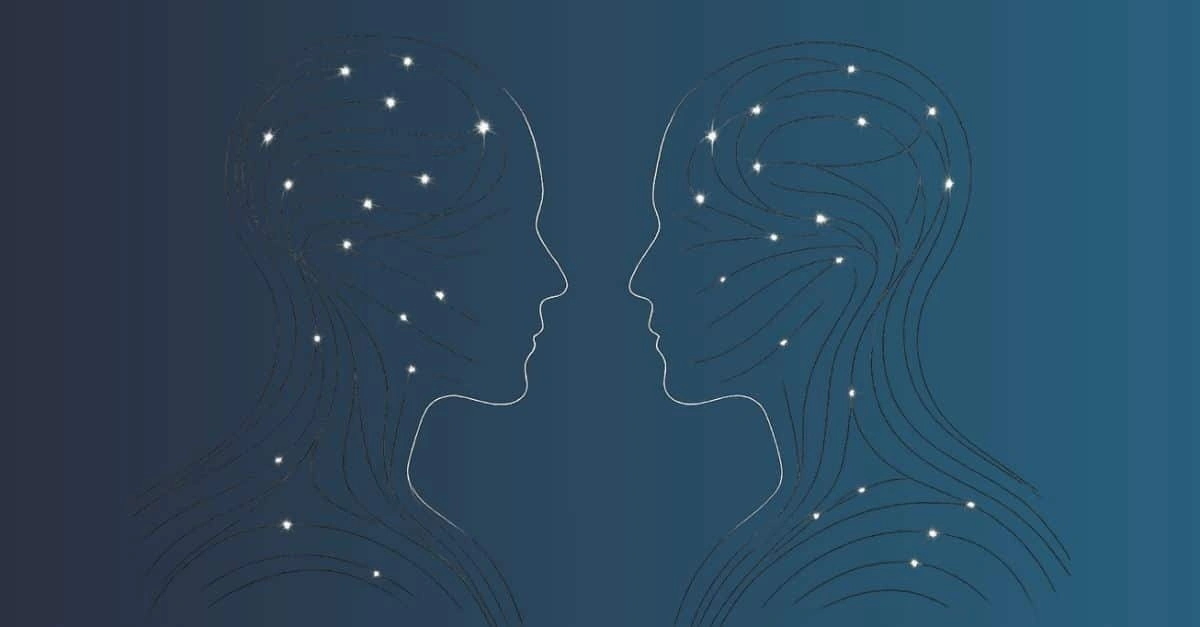
A growing wave of companies is experimenting with AI-powered “digital twins” of employees, raising the possibility that workers could become so-called “superworkers” capable of producing far more output than before.
The idea revolves around creating a digital replica of a person that can mimic their knowledge, communication style, and decision-making patterns. One example is “Digital Richard,” an AI twin developed for Richard Skellett, chief analyst at consultancy Bloor Research, which has been trained on his meetings, documents, and work processes.
The system allows Skellett to consult his AI counterpart for business decisions and presentations, while also managing certain personal tasks through restricted sections. Similar digital twins are now being extended across Bloor Research’s workforce, with reports suggesting they have helped reduce the need for new hires and even supported phased retirements and parental leave coverage.
Industry experts, including Josh Bersin, describe this shift as the rise of the “superworker,” where AI amplifies human productivity rather than replacing it entirely. Bersin’s firm has tested similar systems, claiming that digital twins can handle routine updates and client queries without requiring meetings or emails.
However, the rapid adoption of digital twins has sparked major legal and ethical questions. These include who owns the AI replica, how personal data is used, whether workers should be paid more for increased productivity, and who is responsible if an AI twin makes a mistake.
Some experts argue that ownership should remain with employees, while others believe employers retain rights under traditional intellectual property rules. Legal specialists also warn that employment laws are not yet prepared for such technology, and future disputes may need to be resolved in tribunals.
Despite uncertainties, analysts predict that digital twins could become a mainstream feature of the workplace within the coming years, fundamentally changing how knowledge-based work is performed and managed.
Related News


You may like

Tom Holland Says Marvel Has a Plan for the Next Spider-Man
August 1, 2026
Elected News
-
Bangladesh Seeks UN Women Support on Digital Harassment and Women’s Empowerment
-
Bangladesh, Australia Discuss Human Trafficking, Irregular Migration and Rohingya Crisis
-
Bangladesh Plans Internet-Free Access to Mobile Banking and Financial Apps
-
DU to Open Undergraduate Admission Applications on 11 November, Tests Begin 5 December


