Child Marriage: Understanding the Causes and Strengthening Efforts to End the Practice
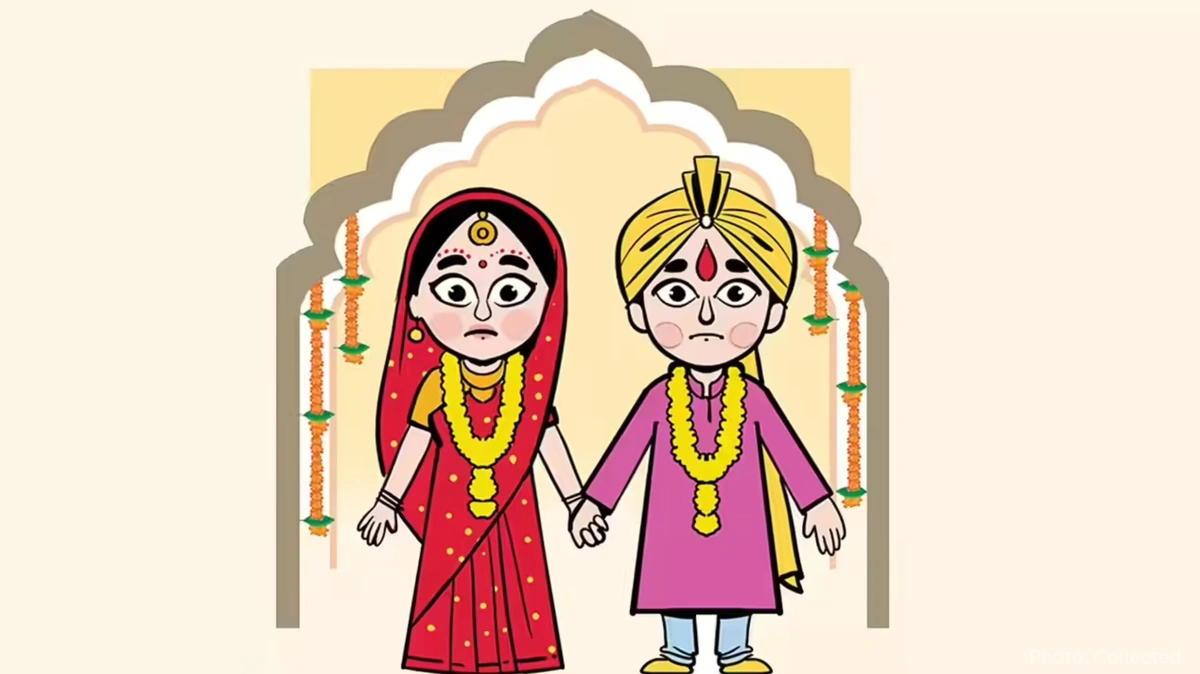
Child marriage continues to affect millions of children worldwide, limiting educational opportunities, health outcomes, and future economic prospects. Experts say coordinated action through education, legal enforcement, community awareness, and economic support is essential to reducing the practice and protecting children's rights.
Child marriage remains a significant social and developmental challenge in many parts of the world despite ongoing national and international efforts to eliminate the practice. Governments, development organizations, educators, and community leaders continue to work together to address its underlying causes while promoting policies that protect the rights and well-being of children.
Child marriage generally refers to a formal or informal union in which at least one of the individuals is below the legally established minimum age for marriage. Experts emphasize that children require opportunities to complete their education, develop essential life skills, and make informed decisions about their futures before entering marriage.
Researchers identify poverty as one of the primary drivers of child marriage. Families experiencing financial hardship may view early marriage as a way to reduce household expenses or secure a child's future. Economic pressures, however, often result in long-term disadvantages, as children who marry early are more likely to leave school and face reduced employment opportunities later in life.
Limited access to education also contributes significantly to the continuation of child marriage. Studies consistently show that children who remain in school are less likely to marry at an early age. Quality education not only expands future career opportunities but also increases awareness of legal rights, health, and personal development.
Social traditions and community expectations may also influence family decisions regarding marriage. In some communities, long-standing customs or concerns about social status, security, or family honour continue to encourage marriages at younger ages. Experts stress that lasting change requires respectful community dialogue and collaboration with local leaders to address these deeply rooted beliefs.
Health professionals note that early marriage can have important physical and mental health implications. Adolescents may face greater health risks associated with early pregnancy and childbirth, while emotional challenges can arise from assuming adult responsibilities before reaching full maturity. Access to healthcare, counselling, and reproductive health education remains an important component of prevention efforts.
Many countries, including Bangladesh, have enacted laws establishing minimum legal ages for marriage and providing penalties for violations. Child protection specialists emphasize that effective enforcement of these laws, alongside accurate birth registration systems and efficient local administration, is essential to preventing underage marriages.
Education continues to be regarded as one of the most effective long-term solutions. Governments and development organizations increasingly invest in keeping children particularly girls in school through scholarships, school meal programmes, transportation assistance, and efforts to improve access to quality education in rural and underserved communities.
Economic empowerment programmes for families have also shown positive results. Skills training, employment opportunities, social safety nets, and financial assistance can reduce the economic pressures that sometimes contribute to early marriage decisions. Supporting household incomes may allow families to prioritize education over early marriage.
Community awareness campaigns play a vital role in changing public attitudes. Religious leaders, teachers, healthcare workers, local government representatives, and youth organizations often work together to raise awareness about the legal, educational, health, and economic consequences of child marriage while encouraging communities to support children's development.
Experts also highlight the importance of engaging boys and men in prevention efforts. Promoting gender equality, mutual respect, and shared responsibility can help create social environments where children are valued for their potential rather than viewed primarily through traditional marriage expectations.
Child protection services remain essential for identifying children at risk and providing timely support. Social workers, educators, law enforcement agencies, and local authorities can collaborate to ensure vulnerable children receive protection, counselling, educational assistance, and other appropriate services.
As countries continue working toward sustainable development and greater gender equality, reducing child marriage remains a priority for governments and international organizations. Specialists agree that meaningful progress depends on a combination of strong legal protections, accessible education, economic opportunity, effective social services, and continued community engagement. By addressing the root causes of child marriage, societies can help ensure that every child has the opportunity to grow, learn, and build a future based on choice, dignity, and equal opportunity.
Related News




You may like




Tom Holland Says Marvel Has a Plan for the Next Spider-Man
August 1, 2026
Elected News
-
Bangladesh Seeks UN Women Support on Digital Harassment and Women’s Empowerment
-
Bangladesh, Australia Discuss Human Trafficking, Irregular Migration and Rohingya Crisis
-
Bangladesh Plans Internet-Free Access to Mobile Banking and Financial Apps
-
DU to Open Undergraduate Admission Applications on 11 November, Tests Begin 5 December


