Dowry and Violence Against Women Remain Major Social Challenges Despite Legal Safeguards
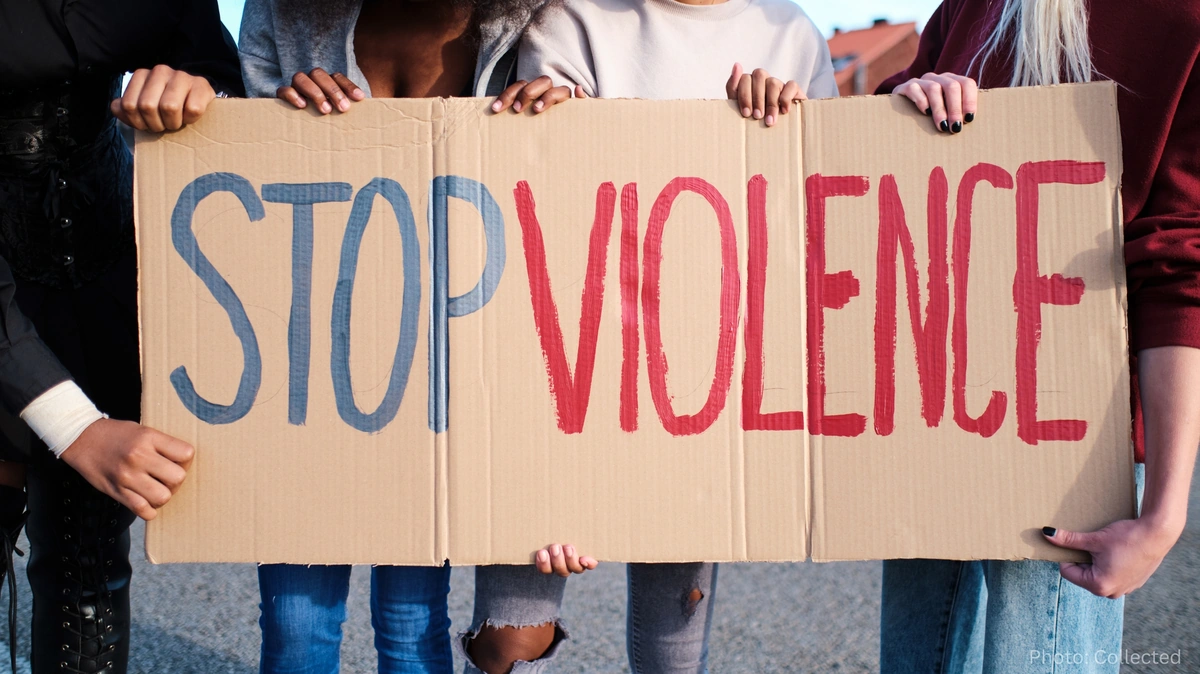
Despite decades of legal reforms and awareness campaigns, dowry-related abuse and violence against women continue to pose significant social and human rights challenges. Experts say stronger law enforcement, education, economic empowerment, and community engagement are essential to eliminating the practice.
Dowry-related violence remains one of the most persistent social challenges affecting women in many parts of South Asia, including Bangladesh. Although laws prohibit demanding or accepting dowry and impose penalties for related offences, rights advocates and social researchers say the practice continues to contribute to domestic abuse, financial hardship, and violence against women.
Dowry traditionally refers to money, property, valuables, or other assets transferred during marriage. While many families reject the practice, unlawful demands for cash, jewelry, vehicles, land, or expensive household items continue to be reported in some communities, placing significant economic pressure on families and increasing the risk of abuse when expectations are not met.
Women's rights organizations say dowry-related disputes can lead to psychological abuse, physical violence, economic exploitation, forced separation, and, in some cases, fatal incidents. Survivors often face barriers to seeking justice, including social stigma, financial dependence, fear of retaliation, and limited access to legal assistance.
Experts note that violence against women extends beyond dowry-related abuse and includes domestic violence, harassment, sexual violence, emotional abuse, and economic control. These forms of violence affect women of different ages, educational backgrounds, and socioeconomic groups, making prevention a broad national priority.
Bangladesh has introduced several laws aimed at protecting women and criminalizing dowry demands and domestic violence. Legal experts emphasize that effective implementation of these laws, prompt investigations, protection for survivors, and fair judicial processes are essential to ensuring accountability and strengthening public confidence in the justice system.
Government agencies, law enforcement authorities, legal aid organizations, and civil society groups continue to conduct awareness campaigns highlighting the legal consequences of dowry demands and promoting marriages based on mutual respect rather than financial transactions. Educational programmes in schools, colleges, and local communities also encourage young people to reject harmful social practices.
Researchers argue that education remains one of the most effective long-term strategies for reducing gender-based violence. Increasing educational opportunities for girls, promoting gender equality, and challenging discriminatory social norms can help reduce acceptance of abusive practices while encouraging healthier family relationships.
Economic empowerment is another key factor identified by development specialists. Women who have access to education, employment, financial resources, and entrepreneurship opportunities are often better positioned to make independent decisions and seek assistance if they experience abuse. Expanding vocational training and employment opportunities may therefore contribute to reducing vulnerability.
Community and religious leaders are also viewed as important partners in prevention efforts. By speaking publicly against dowry demands and supporting equal treatment within families, influential local figures can help reshape social attitudes and encourage communities to reject practices that harm women.
Support services remain critical for survivors. Safe shelters, legal aid, counselling, healthcare, and emergency assistance enable victims of violence to access protection and begin rebuilding their lives. Experts stress that coordinated support from government institutions, non-governmental organizations, healthcare providers, and community networks can improve recovery outcomes.
Technology has also become an increasingly important tool in addressing violence against women. Awareness campaigns through social media, confidential reporting mechanisms, emergency helplines, and digital education initiatives have expanded access to information and support for many individuals, particularly younger generations.
Human rights advocates emphasize that preventing violence against women requires the active participation of society as a whole. Families, educational institutions, employers, community organizations, and policymakers all have roles in promoting equality, respect, and non-violence.
As Bangladesh and other countries continue working toward gender equality and sustainable development, experts agree that eliminating dowry practices and preventing violence against women will require consistent law enforcement, continued public awareness, quality education, economic inclusion, and strong community engagement. By fostering a culture of dignity, equality, and respect, societies can help ensure safer environments where women and girls are able to live free from violence and discrimination.
Related News




You may like




Tom Holland Says Marvel Has a Plan for the Next Spider-Man
August 1, 2026
Elected News
-
Bangladesh Seeks UN Women Support on Digital Harassment and Women’s Empowerment
-
Bangladesh, Australia Discuss Human Trafficking, Irregular Migration and Rohingya Crisis
-
Bangladesh Plans Internet-Free Access to Mobile Banking and Financial Apps
-
DU to Open Undergraduate Admission Applications on 11 November, Tests Begin 5 December


