Islamic Parenting and Child Upbringing: Building Character Through Faith and Compassion
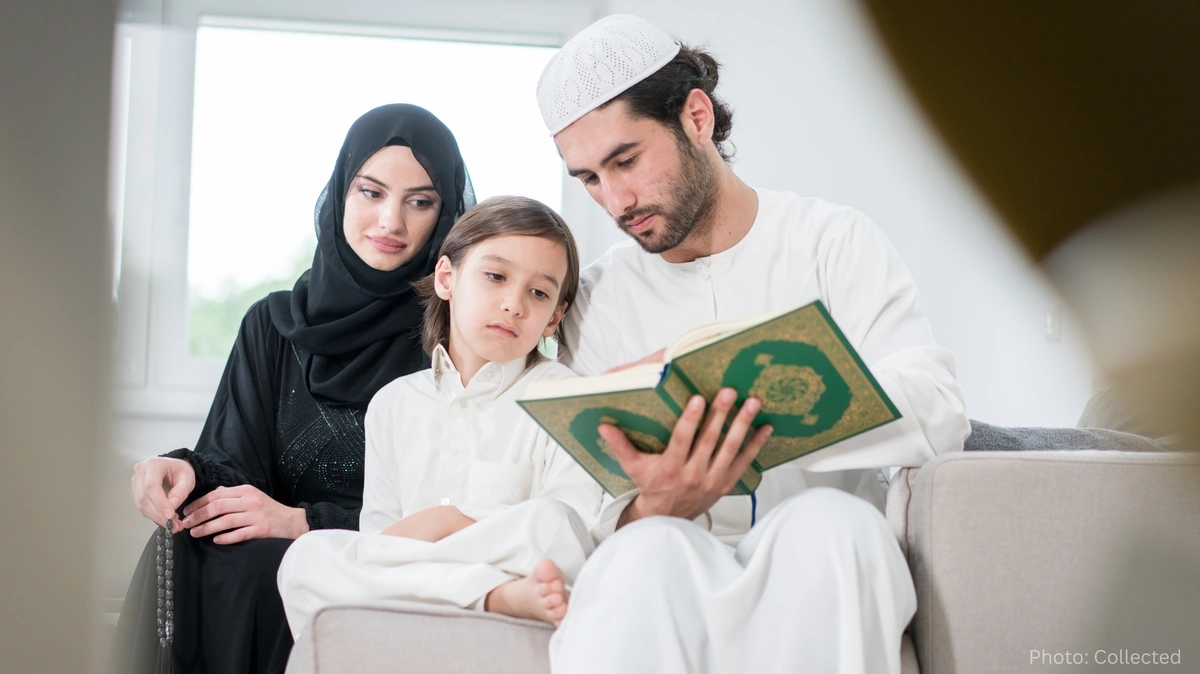
Islamic parenting emphasizes raising children with strong moral values, compassion, responsibility, and faith. By combining spiritual guidance with love, education, and positive role modeling, Muslim families strive to nurture children who contribute positively to society while maintaining a strong connection with their religious beliefs.
Parenting is regarded as one of the greatest responsibilities in Islam, with mothers and fathers entrusted to guide their children both spiritually and morally. Islamic teachings encourage parents to provide not only food, shelter, and education but also a nurturing environment where children develop strong character, kindness, honesty, and respect for others.
The Quran and the teachings of Prophet Muhammad (peace be upon him) place significant emphasis on raising children with wisdom, patience, and compassion. Parents are encouraged to serve as role models, demonstrating the values they hope their children will adopt throughout their lives.
One of the foundations of Islamic parenting is establishing a child's relationship with Allah from an early age. Families often introduce children to basic acts of worship, simple supplications, Quran recitation, and stories of the prophets in age-appropriate ways. Religious education is viewed as a gradual process that should inspire understanding and love rather than fear or compulsion.
Islam also stresses the importance of good manners, known as akhlaq. Children are taught to speak truthfully, respect parents and elders, show kindness to neighbors, help those in need, and treat others fairly regardless of their background. These values are considered essential components of a well-rounded Islamic upbringing.
Education occupies a central place in Islamic tradition. Parents are encouraged to support both religious and secular learning, recognizing knowledge as a lifelong pursuit. Developing critical thinking, curiosity, discipline, and responsibility is seen as an important part of preparing children to contribute positively to society.
Compassion and mercy remain key principles in family life. Islamic teachings encourage parents to express affection toward their children, listen to their concerns, encourage positive behavior, and correct mistakes with patience and wisdom. Many scholars emphasize that effective discipline should focus on guidance and education rather than harshness.
Creating a stable family environment is also considered essential for healthy child development. Regular family meals, shared prayers, meaningful conversations, and spending quality time together help strengthen trust between parents and children while reinforcing family values.
Modern parenting presents new challenges, including excessive screen time, social media, online safety, and rapidly changing cultural influences. Many Muslim families seek to balance technological benefits with responsible digital habits by setting reasonable boundaries, encouraging outdoor activities, reading, and meaningful family interactions.
Teaching financial responsibility is another important aspect of Islamic upbringing. Children are encouraged to understand honesty in earning, avoiding wastefulness, sharing with those in need, and appreciating the value of charity. Introducing concepts such as zakat and voluntary charity helps cultivate generosity and social responsibility from an early age.
Parents are also encouraged to nurture emotional well-being by creating an environment where children feel safe discussing their thoughts, questions, and concerns. Open communication can strengthen family relationships while helping children navigate academic pressures, friendships, and personal challenges with confidence.
Community involvement plays a valuable role in Islamic parenting as well. Participation in mosques, educational programs, volunteer activities, and community events allows children to build positive friendships and develop a sense of belonging while strengthening their understanding of faith and civic responsibility.
Ultimately, Islamic parenting seeks to develop balanced individuals who combine faith with integrity, compassion, knowledge, and responsibility. Rather than focusing solely on academic success or material achievement, it emphasizes the development of strong moral character and lifelong ethical values.
As families continue to adapt to changing social and technological environments, many parents view the timeless principles of patience, kindness, education, justice, and spiritual guidance as enduring foundations for raising confident, compassionate, and responsible future generations.
Related News




You may like




Tom Holland Says Marvel Has a Plan for the Next Spider-Man
August 1, 2026
Elected News
-
Bangladesh Seeks UN Women Support on Digital Harassment and Women’s Empowerment
-
Bangladesh, Australia Discuss Human Trafficking, Irregular Migration and Rohingya Crisis
-
Bangladesh Plans Internet-Free Access to Mobile Banking and Financial Apps
-
DU to Open Undergraduate Admission Applications on 11 November, Tests Begin 5 December


