Spirituality and Mental Health: Exploring the Connection Between Faith and Emotional Well-Being
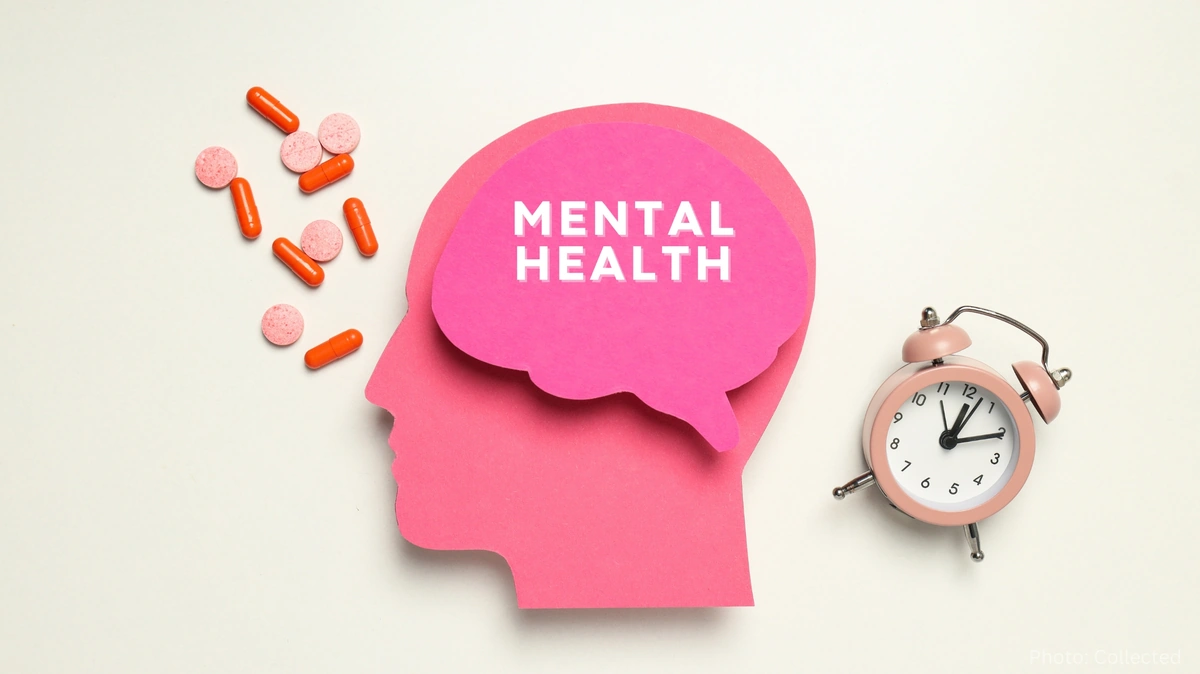
Growing awareness of mental health has encouraged researchers, healthcare professionals, and faith communities to examine how spirituality can contribute to emotional resilience. While spiritual practices are not a substitute for professional treatment, many studies suggest they may complement mental health care by promoting hope, purpose, and social support.
Mental health has become an increasingly important public health topic worldwide, prompting greater discussion about the various factors that contribute to emotional well-being. Alongside medical treatment, psychological therapy, healthy lifestyles, and strong social relationships, spirituality has emerged as an area of growing interest among researchers seeking to better understand its potential role in supporting mental health.
Spirituality generally refers to an individual's search for meaning, purpose, connection, and inner peace. For many people, this is expressed through religious faith and worship, while others may experience spirituality through personal reflection, community service, or a sense of connection with nature and humanity. Although experiences vary, experts increasingly recognize that spiritual well-being can influence emotional resilience and overall quality of life.
Research conducted in different parts of the world has found that individuals with active spiritual or religious lives often report higher levels of hope, optimism, gratitude, and life satisfaction. Participation in faith communities may also provide valuable social support, helping individuals feel connected during times of personal hardship, grief, or uncertainty.
Prayer, meditation, reflection, and reading sacred texts are among the spiritual practices that many people describe as sources of comfort during stressful periods. These activities can encourage mindfulness, emotional regulation, patience, and a sense of stability when facing personal or family challenges.
Healthcare professionals note that spirituality may help some individuals cope with serious illness, loss, financial hardship, or major life transitions by providing a framework through which they interpret difficult experiences. A strong sense of meaning and purpose may encourage perseverance and foster resilience during recovery.
Faith communities often play an important role in supporting mental well-being through social interaction, charitable activities, counseling services, and opportunities for volunteering. Regular participation in community events can reduce feelings of loneliness and strengthen interpersonal relationships, both of which are recognized as important protective factors for mental health.
Mental health specialists, however, emphasize that spirituality should complement not replace professional medical and psychological care. Conditions such as depression, anxiety disorders, bipolar disorder, post-traumatic stress disorder, and other mental health challenges may require assessment and treatment from qualified healthcare professionals. Seeking therapy, counseling, or medical support is fully compatible with maintaining spiritual beliefs.
Experts also encourage faith leaders and healthcare providers to work together where appropriate, ensuring that individuals receive compassionate care addressing both emotional and spiritual needs. Collaborative approaches may help reduce stigma surrounding mental health while encouraging people to seek timely support.
Maintaining healthy daily routines can further strengthen emotional well-being. Regular physical activity, balanced nutrition, sufficient sleep, positive social relationships, and effective stress management remain fundamental components of mental health. When combined with meaningful spiritual practices, these habits may contribute to greater emotional balance and resilience.
Families also play an essential role by creating supportive environments where open conversations about emotional struggles are encouraged. Listening without judgment, recognizing early signs of distress, and helping loved ones access professional care when necessary can significantly improve outcomes.
Educational institutions, workplaces, and community organizations are increasingly promoting mental health awareness while recognizing that people's cultural and spiritual backgrounds influence how they understand and respond to emotional challenges. Respecting these perspectives can help make mental health services more accessible and inclusive.
As global conversations surrounding mental health continue to evolve, many experts believe that integrating evidence-based healthcare with appropriate spiritual support may offer a more holistic approach to well-being. While spirituality alone is not a treatment for mental illness, it can provide many individuals with hope, purpose, resilience, and a sense of belonging that complements professional care and contributes to long-term emotional health.
Related News





You may like




Tom Holland Says Marvel Has a Plan for the Next Spider-Man
August 1, 2026
Elected News
-
Bangladesh Seeks UN Women Support on Digital Harassment and Women’s Empowerment
-
Bangladesh, Australia Discuss Human Trafficking, Irregular Migration and Rohingya Crisis
-
Bangladesh Plans Internet-Free Access to Mobile Banking and Financial Apps
-
DU to Open Undergraduate Admission Applications on 11 November, Tests Begin 5 December


