Quran Recitation and Tajweed Learning: Preserving the Beauty and Accuracy of the Holy Quran
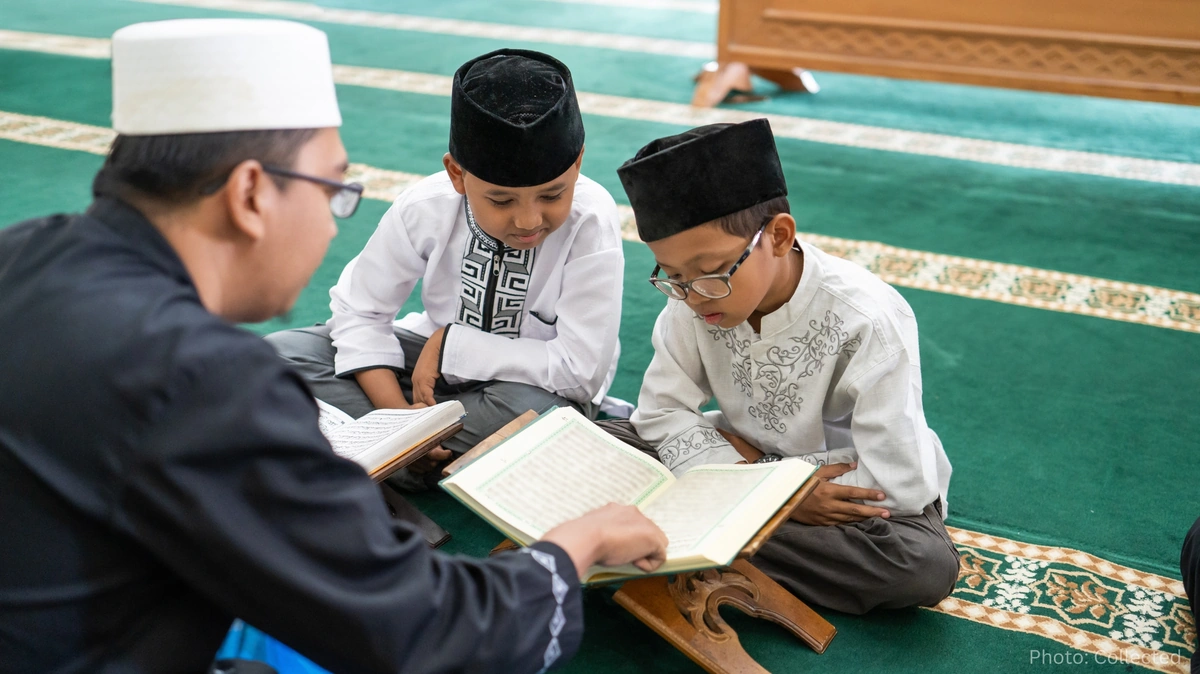
Learning to recite the Holy Quran with proper Tajweed is a lifelong journey for millions of Muslims around the world. Beyond improving pronunciation, Tajweed helps preserve the original manner in which the Quran was revealed, allowing believers to recite its verses with clarity, accuracy, and reverence.
The recitation of the Holy Quran holds a central place in the daily lives of Muslims worldwide. From childhood education in mosques and madrasas to advanced Quranic studies, millions dedicate time to learning not only how to read the Quran but also how to recite it correctly through the principles of Tajweed.
Tajweed, which literally means "to improve" or "to make better," refers to the set of rules governing the correct pronunciation and articulation of Quranic Arabic. These rules help ensure that every letter is pronounced from its proper point of articulation while maintaining the rhythm and characteristics that have been preserved through generations of oral transmission.
Islamic scholars emphasize that proper Quran recitation is not intended to beautify the voice alone but to preserve the authenticity of the Quranic text. Accurate pronunciation helps prevent changes in meaning that could result from incorrectly pronouncing Arabic letters or applying improper pronunciation rules.
Learning Tajweed typically begins with mastering the Arabic alphabet and recognizing the correct pronunciation of each letter. Students gradually progress to understanding vowel signs, elongation rules, pauses, nasal sounds, and other recitation principles before applying them while reading complete chapters of the Quran.
Many Islamic educational institutions introduce Tajweed at an early age, allowing children to develop correct pronunciation habits from the beginning of their Quranic studies. Adult learners are also increasingly enrolling in Quran classes, recognizing that learning Tajweed is a continuous process regardless of age.
Qualified teachers play an essential role in Quran education. Traditionally, students learn by listening carefully to experienced instructors, repeating verses, and receiving direct correction. This method of oral transmission has helped preserve Quranic recitation for more than fourteen centuries.
Modern technology has significantly expanded access to Quran education. Online academies, virtual classrooms, mobile applications, and digital learning platforms now enable students from different parts of the world to study with certified Quran teachers without geographical limitations. Interactive lessons, recorded recitations, and pronunciation exercises have made learning more accessible for people with busy schedules.
Listening to accomplished Quran reciters also remains an important part of the learning process. By repeatedly hearing accurate recitation, students become familiar with proper pronunciation, rhythm, and application of Tajweed rules while improving their own reading abilities through consistent practice.
Islamic educators often encourage learners to progress gradually rather than rushing through memorization or recitation. Regular daily practice, patience, and consistent revision are widely regarded as more beneficial than attempting to master large portions of the Quran within a short period.
Beyond technical pronunciation, scholars frequently highlight the importance of understanding the meanings of the Quran alongside recitation. Reading translations, studying tafsir (Quranic interpretation), and reflecting upon the verses can deepen spiritual connection and encourage believers to implement Quranic guidance in their daily lives.
Families also play an important role in encouraging Quran learning. Parents who establish regular recitation routines at home, support children's religious education, and create an environment that values Quranic study often help foster lifelong engagement with the Holy Quran.
Community mosques and Islamic centers continue to organize Quran competitions, Tajweed workshops, memorization circles, and educational seminars throughout the year. These initiatives provide opportunities for learners of all ages to improve their recitation while strengthening their connection with their local Muslim communities.
As interest in Quran education continues to grow globally, both traditional teaching methods and modern educational technologies are helping new generations preserve the accurate recitation of Islam's holy book. For millions of Muslims, learning Tajweed remains not only an educational pursuit but also a spiritual journey aimed at honoring the words of the Quran through careful, respectful, and authentic recitation.
Related News





You may like




Tom Holland Says Marvel Has a Plan for the Next Spider-Man
August 1, 2026
Elected News
-
Bangladesh Seeks UN Women Support on Digital Harassment and Women’s Empowerment
-
Bangladesh, Australia Discuss Human Trafficking, Irregular Migration and Rohingya Crisis
-
Bangladesh Plans Internet-Free Access to Mobile Banking and Financial Apps
-
DU to Open Undergraduate Admission Applications on 11 November, Tests Begin 5 December


