Hindu Minority Festivals and Cultural Heritage in Bangladesh
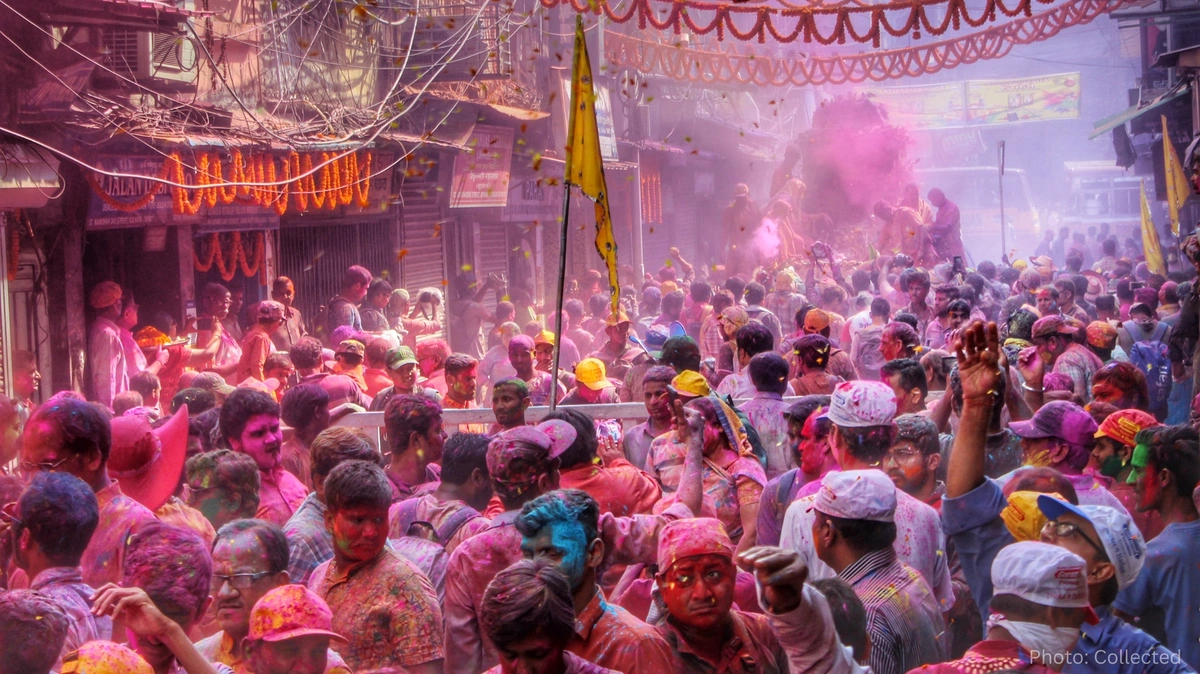
Bangladesh's Hindu community plays an important role in preserving the country's rich cultural diversity through centuries-old religious festivals, traditional arts, music, and customs. These celebrations not only reflect religious devotion but also contribute to the nation's shared cultural heritage.
Bangladesh is home to a diverse cultural landscape where communities of different faiths have contributed to the country's heritage for generations. Among them, the Hindu minority continues to preserve a vibrant cultural identity through religious festivals, traditional rituals, music, art, and community celebrations that remain an integral part of Bangladesh's social fabric.
Although Hindus constitute a minority of the country's population, their festivals are celebrated across towns, villages, and cities throughout the year. Many of these occasions attract participation not only from members of the Hindu community but also from people of other faiths, reflecting Bangladesh's long-standing tradition of cultural coexistence.
One of the most significant celebrations is Durga Puja, the largest religious festival for Bengali Hindus. Lasting several days, the festival honors Goddess Durga and symbolizes the triumph of good over evil. Temporary temples, known as pandals, are beautifully decorated with artistic themes, while devotees participate in prayers, cultural performances, and community gatherings. The festival concludes with the immersion of Durga idols in rivers and water bodies, marking the end of the celebrations.
Another widely observed festival is Kali Puja, dedicated to Goddess Kali. Devotees light lamps, offer prayers, and seek blessings for protection, strength, and prosperity. The celebration often coincides with the Festival of Lights, creating vibrant displays across Hindu neighborhoods.
Saraswati Puja, honoring the goddess of knowledge, learning, and the arts, holds special importance among students and educational institutions. Schools, colleges, and universities organize prayer ceremonies where students seek blessings for academic success. The festival is also marked by cultural programs, music, poetry, and traditional attire.
The spring festival of Dol Purnima, also known as Holi, brings communities together through colorful celebrations featuring music, dance, and the symbolic use of colored powders. While primarily a religious festival, Holi has also become a broader cultural celebration in many parts of Bangladesh.
The Hindu calendar also includes Janmashtami, commemorating the birth of Lord Krishna. Religious processions, devotional songs, scripture recitations, and cultural events are organized in various districts, particularly in Dhaka and other areas with significant Hindu populations.
Beyond religious observances, Hindu traditions have significantly influenced Bangladesh's cultural identity through classical music, folk traditions, dance, literature, handicrafts, and cuisine. Generations of artists, musicians, and writers from the Hindu community have made lasting contributions to the country's artistic and intellectual heritage.
Many traditional festivals feature performances of devotional music, folk theatre, and cultural exhibitions that help preserve centuries-old customs. Artisans also play a central role by creating clay idols, decorative artwork, and handcrafted items used during religious ceremonies, supporting local creative industries and traditional craftsmanship.
Festivals also provide economic opportunities for small businesses, vendors, artisans, florists, clothing retailers, and food producers. Markets become increasingly active ahead of major celebrations as families purchase traditional clothing, decorations, sweets, and religious items.
In many parts of Bangladesh, local administrations work with community organizations to facilitate festival arrangements, including security, traffic management, and public services, allowing celebrations to proceed smoothly while accommodating large gatherings.
Community leaders often emphasize that these festivals represent not only religious devotion but also opportunities to strengthen social harmony, encourage cultural exchange, and reinforce mutual respect among citizens of different backgrounds.
Bangladesh's multicultural identity has been shaped by the traditions of all its communities over centuries. The festivals and cultural practices of the Hindu minority continue to enrich the country's diverse heritage while serving as important occasions for faith, family, artistic expression, and community engagement.
As new generations participate in these celebrations, efforts to preserve traditional customs alongside modern cultural expressions remain central to maintaining Bangladesh's rich and diverse cultural legacy for the future.
Related News

You may like



Tom Holland Says Marvel Has a Plan for the Next Spider-Man
August 1, 2026
Elected News
-
Bangladesh Seeks UN Women Support on Digital Harassment and Women’s Empowerment
-
Bangladesh, Australia Discuss Human Trafficking, Irregular Migration and Rohingya Crisis
-
Bangladesh Plans Internet-Free Access to Mobile Banking and Financial Apps
-
DU to Open Undergraduate Admission Applications on 11 November, Tests Begin 5 December


