Religious Tourism in Bangladesh: Exploring the Country’s Diverse Sacred Heritage
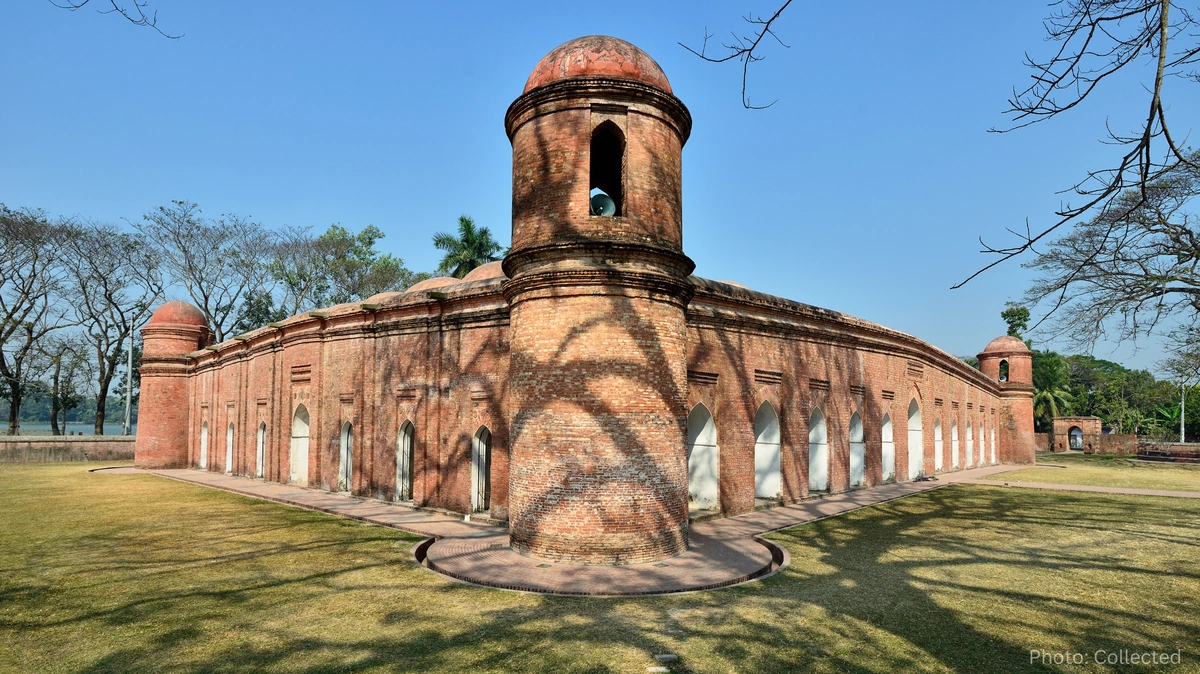
Bangladesh is home to a rich tapestry of religious heritage, offering visitors an opportunity to explore centuries-old mosques, temples, monasteries, churches, and shrines. These sacred sites not only reflect the country’s spiritual traditions but also showcase its cultural diversity, architectural legacy, and historical significance.
Bangladesh has steadily emerged as a destination for religious and cultural tourism, attracting visitors interested in its diverse spiritual heritage. From ancient Buddhist monasteries and historic mosques to Hindu temples, Christian churches, and Sufi shrines, the country offers a wide range of religious landmarks that reflect centuries of coexistence among different faith communities.
Many of these sites serve as active places of worship while also preserving important chapters of Bangladesh's history. Throughout the year, thousands of local and international visitors travel to these destinations to participate in religious festivals, learn about historical traditions, and appreciate the country's architectural heritage.
Among the country's most significant Islamic landmarks is the Sixty Dome Mosque in Bagerhat, a UNESCO World Heritage Site built during the 15th century. Renowned for its impressive brick architecture, multiple domes, and historical importance, the mosque remains one of Bangladesh's most visited religious attractions.
The Star Mosque in Dhaka is another prominent destination known for its intricate mosaic decorations and elegant Mughal-inspired design. Alongside the historic Lalbagh area and numerous centuries-old mosques across the capital, it continues to attract worshippers and tourists alike.
The shrine of Hazrat Shah Jalal (RA) in Sylhet remains one of the country's most important pilgrimage destinations. Thousands of devotees visit the shrine every year to offer prayers and pay their respects to the revered Sufi saint, whose influence played a significant role in the spread of Islam across the region.
Bangladesh also preserves a remarkable Buddhist heritage, particularly in its northern districts. The ancient Somapura Mahavihara in Naogaon, another UNESCO World Heritage Site, is regarded as one of South Asia's largest Buddhist monasteries. Archaeologists and historians consider it one of the finest examples of early medieval Buddhist architecture and learning.
In the Chittagong Hill Tracts, numerous Buddhist temples and monasteries continue to serve local communities while attracting visitors interested in Buddhist traditions, meditation, and cultural practices. The region's natural landscapes further enhance its appeal as a destination for spiritual tourism.
The Hindu community's religious heritage is represented through many historic temples across the country. Dhakeshwari National Temple in Dhaka remains one of the most significant Hindu temples in Bangladesh and serves as an important center for worship during festivals such as Durga Puja, drawing thousands of devotees annually.
Christian heritage is also visible through several historic churches built during the colonial period. The Armenian Church of the Holy Resurrection in Old Dhaka and centuries-old Catholic churches in different districts reflect the country's longstanding Christian presence and architectural diversity.
Religious festivals significantly contribute to domestic tourism throughout the year. Eid celebrations, Durga Puja, Buddha Purnima, Christmas, and various Sufi Urs festivals attract large gatherings of pilgrims and visitors, providing opportunities for cultural exchange while supporting local businesses, hotels, restaurants, and transport services.
Tourism experts believe religious tourism has substantial economic potential for Bangladesh. Improved transportation, preservation of heritage sites, multilingual visitor information, and sustainable tourism initiatives could further enhance the country's appeal to international travelers interested in history, culture, and spirituality.
Government agencies and heritage organizations continue efforts to conserve important religious monuments through restoration projects and archaeological research. These initiatives aim to protect historic structures while ensuring they remain accessible to future generations.
Visitors are encouraged to respect local customs when visiting religious sites by dressing modestly, observing photography guidelines where applicable, maintaining cleanliness, and following instructions provided by site authorities and worshippers.
As Bangladesh continues to promote its cultural and historical attractions, religious tourism is increasingly recognized as an important sector capable of showcasing the country's rich spiritual diversity. With centuries of history preserved across its sacred landmarks, Bangladesh offers travelers an opportunity to experience a unique blend of faith, heritage, architecture, and cultural harmony.
Related News




You may like




Tom Holland Says Marvel Has a Plan for the Next Spider-Man
August 1, 2026
Elected News
-
Bangladesh Seeks UN Women Support on Digital Harassment and Women’s Empowerment
-
Bangladesh, Australia Discuss Human Trafficking, Irregular Migration and Rohingya Crisis
-
Bangladesh Plans Internet-Free Access to Mobile Banking and Financial Apps
-
DU to Open Undergraduate Admission Applications on 11 November, Tests Begin 5 December


