Indian mobs killed Muslim elderly Pehlu Khan over rumors of cow smuggling.
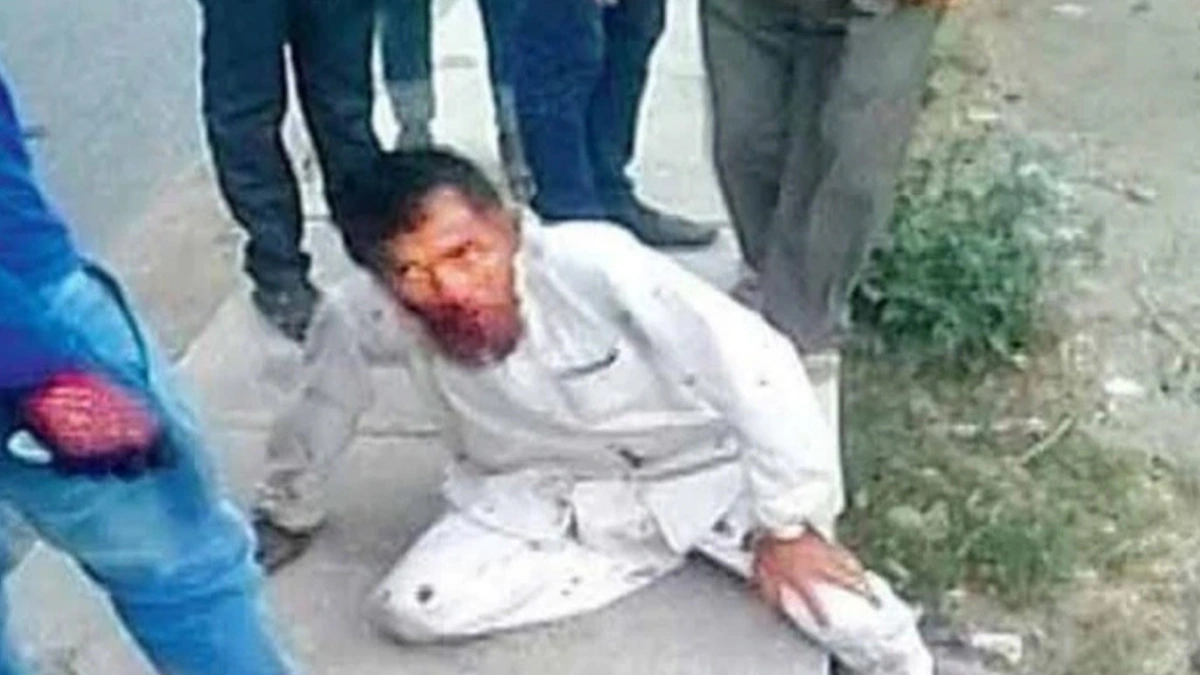
Pehlu Khan was lynched by self-styled cow vigilantes in Rajasthan, sparking nationwide outrage. The case has since gone through a prolonged and controversial judicial process, raising questions about justice and accountability.
On April 1, 2017, Pehlu Khan, a dairy farmer from Nuh, Haryana, was brutally assaulted by a group of self-proclaimed cow vigilantes near Behror on the Delhi-Alwar highway in Rajasthan. Khan was returning home after buying cows when he was stopped and charged with cow smuggling.
He was brutally beaten in broad daylight despite repeated insistence that the cows had been purchased legally. A video of the attack later emerged, in which Khan was seen pleading for his life. He was admitted to a private hospital but died of his injuries two days later, on April 3.
Before his death, Pehlu Khan recorded a statement naming several people involved in the attack. His killing sparked widespread condemnation across India and renewed the debate on mob violence in the name of cow protection.
Judicial proceedings-
The police registered a case against several accused and the matter went to trial in a court in Rajasthan. More than 40 witnesses testified before the judge. Among the witnesses were Pehlu Khan's two sons, who were with their father on the day of the incident. However, in 2019, a trial court acquitted all the accused due to lack of sufficient evidence. The verdict was strongly criticized by civil society, legal experts and human rights organizations.
The death of Pehlu Khan continues to figure in discussions on justice, communal violence and the need for strong legal protection against mob lynching in India.
Related News



You may like



Tom Holland Says Marvel Has a Plan for the Next Spider-Man
August 1, 2026
Elected News
-
Bangladesh Seeks UN Women Support on Digital Harassment and Women’s Empowerment
-
Bangladesh, Australia Discuss Human Trafficking, Irregular Migration and Rohingya Crisis
-
Bangladesh Plans Internet-Free Access to Mobile Banking and Financial Apps
-
DU to Open Undergraduate Admission Applications on 11 November, Tests Begin 5 December


