Why India Continues to Struggle in the World's Most Popular Sport
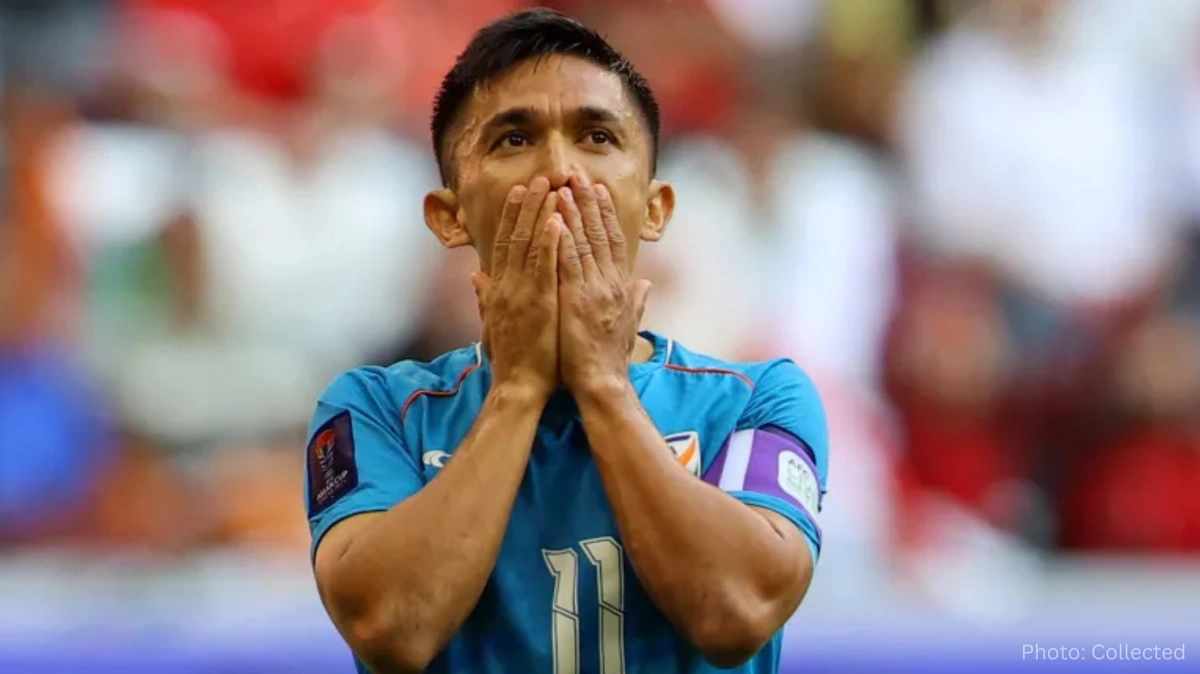
As the 2026 FIFA World Cup captivates billions of fans worldwide, questions are once again being raised over why India the world's most populous nation continues to lag behind in football despite its enormous talent pool, passionate supporters, and growing interest in the game.
As the 2026 FIFA World Cup unfolds on football's grandest stage, India finds itself watching from the sidelines yet again. For a nation of more than 1.4 billion people, the continued absence from elite international football has become one of the sport's enduring mysteries.
Despite possessing one of the world's largest youth populations and a deeply passionate fan base, India remains far from competing with football's global powers. The country's national team currently sits outside the top tier of international rankings, reflecting decades of underachievement and missed opportunities.
The contrast is striking.
Football is celebrated passionately in many parts of India. Streets, school grounds, and neighbourhood fields regularly fill with children and amateur players dreaming of emulating global icons. States such as West Bengal, Kerala, Goa, and several northeastern regions have long-standing football cultures, producing devoted supporters and talented local players.
Yet that enthusiasm has rarely translated into sustained success at the professional or international level.
One of the major concerns lies in the country's football infrastructure.
Unlike leading football nations that invest heavily in grassroots academies, coaching development, scouting networks, and youth competitions, India's football ecosystem remains fragmented. Many aspiring players lack access to quality training facilities, certified coaches, and structured development pathways from childhood to professional competition.
Sports analysts argue that talent identification often begins too late, with limited investment at the grassroots level. As a result, many promising youngsters fail to receive the guidance necessary to compete internationally.
Administrative instability has further complicated the sport's growth.
Indian football has repeatedly faced governance challenges, ranging from disputes within football authorities to concerns over long-term planning and accountability. Frequent changes in leadership and inconsistent policies have hindered efforts to build a coherent development strategy.
The country's top domestic competition has also experienced significant turbulence.
Once viewed as a platform capable of elevating Indian football, the premier league has struggled financially. Sponsorship difficulties, declining commercial confidence, and reduced broadcasting revenues have raised questions about the league's sustainability and its ability to attract investment.
Without stable financial foundations, clubs often face uncertainty regarding player development programmes, infrastructure expansion, and long-term planning.
Critics also point to India's sporting priorities.
Cricket dominates the country's sporting landscape, commanding overwhelming public attention, corporate sponsorship, media coverage, and institutional support. The immense popularity of cricket has left other sports, including football, competing for limited resources and visibility.
While football has grown steadily in terms of viewership, it still trails far behind cricket in commercial appeal.
However, the story is not entirely one of failure.
India's football culture remains vibrant at the grassroots level. Community tournaments continue to thrive, local clubs attract dedicated followings, and young fans increasingly engage with European and international competitions through digital platforms.
Women's football has also shown signs of progress, with greater participation and growing recognition of female athletes.
Experts believe the ingredients necessary for success already exist: a massive population, passionate supporters, increasing interest among youth, and expanding access to global football culture.
What remains uncertain is whether these strengths can be transformed into a sustainable national strategy.
Achieving meaningful progress would require long-term investment in youth academies, stronger domestic competitions, professional governance, modern coaching systems, improved facilities, and closer cooperation between football authorities, educational institutions, and private stakeholders.
Success in football cannot be manufactured overnight. Nations that now dominate the sport often spent decades building structures that nurtured talent from the grassroots to the highest levels of competition.
For India, the challenge is not a lack of passion.
The cheers in local stadiums, the crowded neighbourhood pitches, and the millions of fans following the World Cup from afar demonstrate that football already has a place in the country's heart.
The real question is whether Indian football can finally bridge the gap between potential and performance.
As the world celebrates another FIFA World Cup, India's absence serves as both a reminder of lost opportunities and a challenge for the future. Until systemic reforms are matched by sustained commitment and investment, the world's most populous nation may continue to struggle to leave its mark on the world's most popular sport.
Related News

You may like




Tom Holland Says Marvel Has a Plan for the Next Spider-Man
August 1, 2026
Elected News
-

Bangladesh Seeks UN Women Support on Digital Harassment and Women’s Empowerment
-

Bangladesh, Australia Discuss Human Trafficking, Irregular Migration and Rohingya Crisis
-

Bangladesh Plans Internet-Free Access to Mobile Banking and Financial Apps
-

DU to Open Undergraduate Admission Applications on 11 November, Tests Begin 5 December


