Cybersecurity and Online Scam Awareness Become Growing Priority as Digital Threats Increase

Experts urge individuals and businesses to strengthen digital security as phishing, financial fraud, identity theft and AI driven scams become more sophisticated across the world.
As digital services become an essential part of daily life, cybersecurity experts are warning that online scams are growing in both scale and sophistication. From phishing emails and fake investment schemes to identity theft and AI generated impersonation scams, cybercriminals are increasingly targeting individuals, businesses and public institutions, prompting governments to strengthen digital security measures and public awareness campaigns.
According to the International Criminal Police Organization (INTERPOL), cybercrime has become one of the fastest growing forms of organized crime worldwide. Criminal groups are exploiting advances in technology, including artificial intelligence, encrypted messaging platforms and cryptocurrency, to carry out fraud, ransomware attacks and financial scams that affect millions of people every year.
The Federal Bureau of Investigation (FBI) reported that internet crime complaints reached record levels in recent years, with reported financial losses exceeding billions of dollars annually. Phishing, business email compromise, investment fraud, romance scams and technical support fraud remain among the most common cybercrimes. Security experts caution that actual losses are likely much higher because many victims never report incidents.
The United Nations Office on Drugs and Crime (UNODC) and the International Telecommunication Union (ITU) say rapid digital transformation has created new opportunities for economic growth while also expanding the attack surface for cybercriminals. As governments introduce digital identity systems, online banking and electronic public services, protecting personal data and critical infrastructure has become an increasingly important national priority.
Technology companies and cybersecurity firms, including Microsoft, Google and Cisco, have reported a significant rise in phishing attacks using artificial intelligence. Cybercriminals are using AI to produce convincing fake emails, cloned voices, fabricated videos and fraudulent websites that closely resemble legitimate organizations. Reuters, BBC News, CNN and The Associated Press have all reported on the growing use of generative AI in sophisticated online fraud schemes targeting consumers and businesses.
Banking and financial services remain among the most targeted sectors. Cybersecurity specialists warn that scammers frequently impersonate banks, mobile financial service providers, courier companies and government agencies through text messages, phone calls, email and social media. Victims are often persuaded to reveal passwords, one time verification codes or banking information, leading to unauthorized transactions and identity theft.
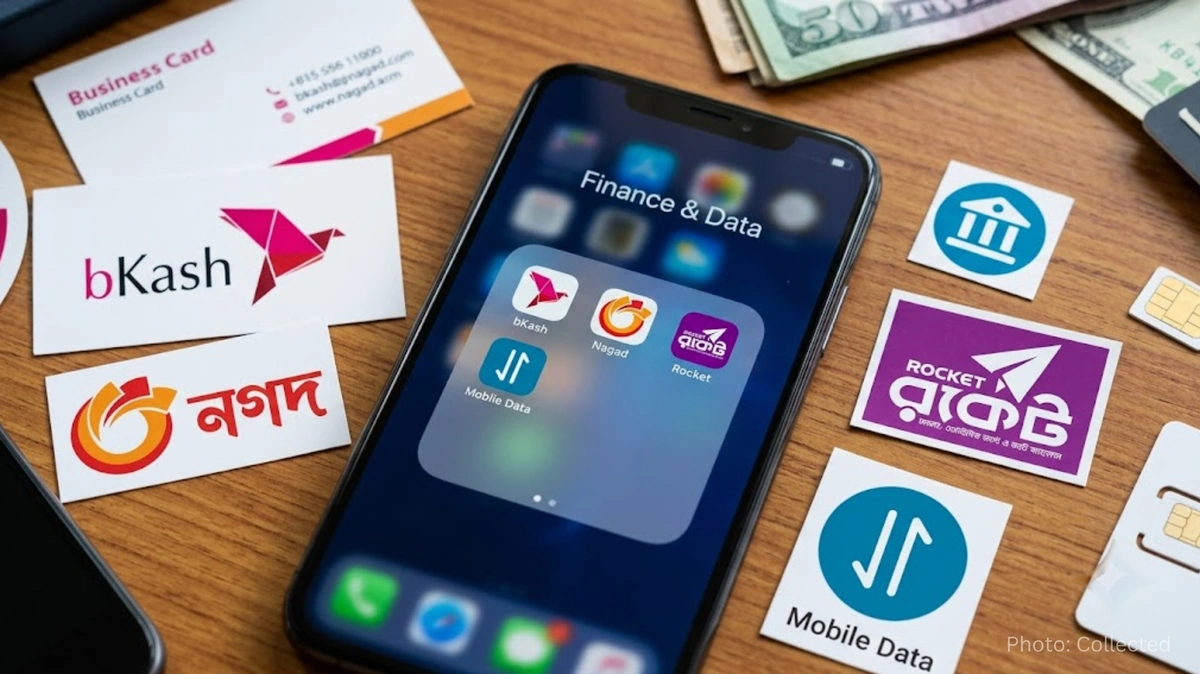
Bangladesh has experienced rapid growth in internet usage, mobile financial services and digital commerce over the past decade. With more people using online banking, e commerce platforms and digital wallets, authorities have reported an increase in phishing attempts, fake online marketplaces, social media account hacking and fraudulent investment offers. The Bangladesh Computer Council, Bangladesh e Government Computer Incident Response Team (BGD e Gov CIRT) and Bangladesh Bank have regularly issued public advisories urging citizens to remain cautious when sharing personal or financial information online.
Cybersecurity experts recommend several practical measures to reduce the risk of online fraud. These include using strong and unique passwords, enabling multi factor authentication, keeping software and operating systems updated, avoiding suspicious links and verifying requests for money or sensitive information through official channels. Experts also advise users to download mobile applications only from trusted app stores and review privacy settings regularly.
Businesses are also facing growing cyber risks. According to IBM's annual Cost of a Data Breach Report, cyberattacks continue to impose significant financial costs through operational disruption, legal expenses and reputational damage. Organizations are increasingly investing in employee cybersecurity training, threat detection systems and incident response planning to reduce potential losses.
Education has become one of the most effective tools in combating cybercrime. Schools, universities and community organizations are expanding digital literacy programs that teach students and the public how to recognize phishing attempts, protect personal information and identify misinformation. International organizations argue that cybersecurity awareness should become a core life skill as digital technologies continue to evolve.
Governments worldwide are strengthening cybercrime legislation and expanding international cooperation to investigate criminal networks operating across national borders. Agencies such as INTERPOL, Europol and regional cybersecurity centers continue to share intelligence and coordinate operations against ransomware groups, online fraud syndicates and digital financial crimes.
Experts agree that cybersecurity is no longer solely a technical issue but a shared responsibility involving governments, businesses and individual users. As online services continue to expand across banking, education, healthcare and public administration, maintaining public trust will depend on stronger digital security, continuous public awareness and international cooperation against evolving cyber threats.
According to the International Criminal Police Organization (INTERPOL), cybercrime has become one of the fastest growing forms of organized crime worldwide. Criminal groups are exploiting advances in technology, including artificial intelligence, encrypted messaging platforms and cryptocurrency, to carry out fraud, ransomware attacks and financial scams that affect millions of people every year.
The Federal Bureau of Investigation (FBI) reported that internet crime complaints reached record levels in recent years, with reported financial losses exceeding billions of dollars annually. Phishing, business email compromise, investment fraud, romance scams and technical support fraud remain among the most common cybercrimes. Security experts caution that actual losses are likely much higher because many victims never report incidents.
The United Nations Office on Drugs and Crime (UNODC) and the International Telecommunication Union (ITU) say rapid digital transformation has created new opportunities for economic growth while also expanding the attack surface for cybercriminals. As governments introduce digital identity systems, online banking and electronic public services, protecting personal data and critical infrastructure has become an increasingly important national priority.
Technology companies and cybersecurity firms, including Microsoft, Google and Cisco, have reported a significant rise in phishing attacks using artificial intelligence. Cybercriminals are using AI to produce convincing fake emails, cloned voices, fabricated videos and fraudulent websites that closely resemble legitimate organizations. Reuters, BBC News, CNN and The Associated Press have all reported on the growing use of generative AI in sophisticated online fraud schemes targeting consumers and businesses.
Banking and financial services remain among the most targeted sectors. Cybersecurity specialists warn that scammers frequently impersonate banks, mobile financial service providers, courier companies and government agencies through text messages, phone calls, email and social media. Victims are often persuaded to reveal passwords, one time verification codes or banking information, leading to unauthorized transactions and identity theft.
Bangladesh has experienced rapid growth in internet usage, mobile financial services and digital commerce over the past decade. With more people using online banking, e commerce platforms and digital wallets, authorities have reported an increase in phishing attempts, fake online marketplaces, social media account hacking and fraudulent investment offers. The Bangladesh Computer Council, Bangladesh e Government Computer Incident Response Team (BGD e Gov CIRT) and Bangladesh Bank have regularly issued public advisories urging citizens to remain cautious when sharing personal or financial information online.
Cybersecurity experts recommend several practical measures to reduce the risk of online fraud. These include using strong and unique passwords, enabling multi factor authentication, keeping software and operating systems updated, avoiding suspicious links and verifying requests for money or sensitive information through official channels. Experts also advise users to download mobile applications only from trusted app stores and review privacy settings regularly.
Businesses are also facing growing cyber risks. According to IBM's annual Cost of a Data Breach Report, cyberattacks continue to impose significant financial costs through operational disruption, legal expenses and reputational damage. Organizations are increasingly investing in employee cybersecurity training, threat detection systems and incident response planning to reduce potential losses.
Education has become one of the most effective tools in combating cybercrime. Schools, universities and community organizations are expanding digital literacy programs that teach students and the public how to recognize phishing attempts, protect personal information and identify misinformation. International organizations argue that cybersecurity awareness should become a core life skill as digital technologies continue to evolve.
Governments worldwide are strengthening cybercrime legislation and expanding international cooperation to investigate criminal networks operating across national borders. Agencies such as INTERPOL, Europol and regional cybersecurity centers continue to share intelligence and coordinate operations against ransomware groups, online fraud syndicates and digital financial crimes.
Experts agree that cybersecurity is no longer solely a technical issue but a shared responsibility involving governments, businesses and individual users. As online services continue to expand across banking, education, healthcare and public administration, maintaining public trust will depend on stronger digital security, continuous public awareness and international cooperation against evolving cyber threats.
Related News




You may like




Tom Holland Says Marvel Has a Plan for the Next Spider-Man
August 1, 2026
Elected News
-
Bangladesh Seeks UN Women Support on Digital Harassment and Women’s Empowerment
-
Bangladesh, Australia Discuss Human Trafficking, Irregular Migration and Rohingya Crisis
-
Bangladesh Plans Internet-Free Access to Mobile Banking and Financial Apps
-
DU to Open Undergraduate Admission Applications on 11 November, Tests Begin 5 December


