Scientists Discover World's Largest Whale Graveyard in the Indian Ocean, Dating Back Over Five Million Years
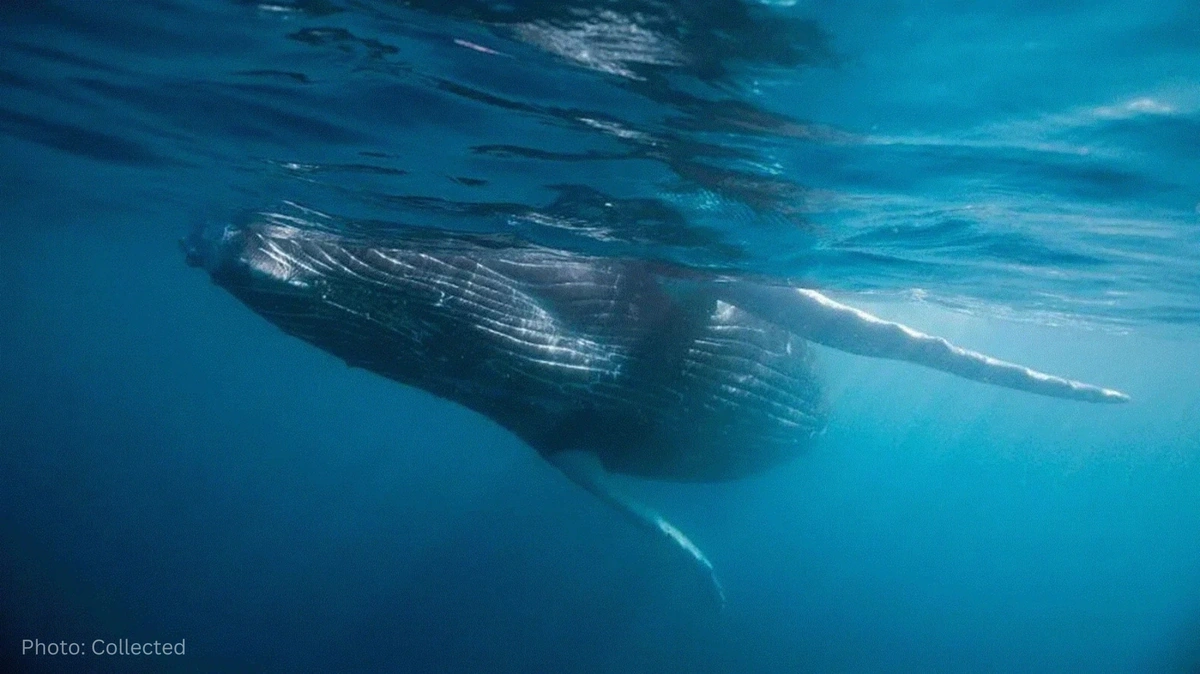
Researchers exploring the depths of the southeastern Indian Ocean have uncovered what is believed to be the world's largest whale graveyard, stretching nearly 1,200 kilometres across the seafloor. The extraordinary discovery includes hundreds of whale fossils, some estimated to be more than 5.3 million years old, offering unprecedented insight into ancient marine ecosystems and evolutionary history.
An international team of scientists has announced the discovery of what is being described as the world's largest whale graveyard deep beneath the southeastern Indian Ocean, revealing a hidden underwater landscape rich in prehistoric life and scientific significance.
The remarkable site, located in the Diamantina Fracture Zone west of Australia, lies approximately seven kilometres below the ocean's surface. Characterised by steep underwater ridges and deep trenches, the remote region had remained largely unexplored until researchers conducted a series of deep-sea expeditions using advanced submersible technology.
According to the research team, the graveyard extends for nearly 1,200 kilometres and contains the remains of around 500 individual whales. The discovery has stunned marine scientists not only because of its immense scale but also because of the extraordinary age of many of the fossils.
Some skeletal remains recovered from the site have been dated to approximately 5.3 million years ago, making them among the oldest whale fossils ever found in such abundance within a single location.
The research was carried out by scientists from China, Italy and New Zealand. During 32 separate dives, the team documented 485 whale fossil specimens and collected samples from both ancient remains and more recent carcass deposits scattered across the ocean floor.
Among the most notable findings was the skull of an extinct beaked whale species known as Terecetus bengueli, estimated to be around 5.3 million years old. Researchers also identified the remains of an Antarctic minke whale measuring roughly five metres in length.
Perhaps even more exciting for the scientific community was the discovery of an entirely new whale species. Named Terecetus diamantini after the Diamantina Fracture Zone, the species adds another piece to the puzzle of whale evolution and migration across Earth's oceans.
Lead researcher Xiaotong Peng of the Chinese Academy of Sciences described the find as beyond anything the team had anticipated.
"Discovering a graveyard of this magnitude was completely unexpected," Peng said. "Its size, depth and the age range of the remains surpassed our imagination."
Beyond the fossils themselves, scientists found that the whale remains have created a unique deep-sea ecosystem. Organisms including jellyfish, marine worms and crustaceans have adapted to survive by feeding on and inhabiting the nutrient-rich whale falls, demonstrating how death in the ocean can sustain life for generations.
Marine scientist Stephen J. Godfrey of the Calvert Marine Museum praised the discovery, calling it "a truly exceptional find." He suggested that despite the site's inaccessibility, many more remarkable discoveries may still await beneath the depths of the Indian Ocean.
The findings offer scientists a rare opportunity to study ancient marine biodiversity, whale evolution and deep-sea ecological processes. Researchers believe continued exploration of the Diamantina Fracture Zone could transform humanity's understanding of life in one of the least explored environments on Earth.
What began as a routine deep-sea expedition has now opened the door to a prehistoric world frozen beneath the ocean floor for millions of years one that may continue to reveal secrets of Earth's distant past for decades to come.
Related News



You may like




Tom Holland Says Marvel Has a Plan for the Next Spider-Man
August 1, 2026
Elected News
-

Bangladesh Seeks UN Women Support on Digital Harassment and Women’s Empowerment
-

Bangladesh, Australia Discuss Human Trafficking, Irregular Migration and Rohingya Crisis
-

Bangladesh Plans Internet-Free Access to Mobile Banking and Financial Apps
-
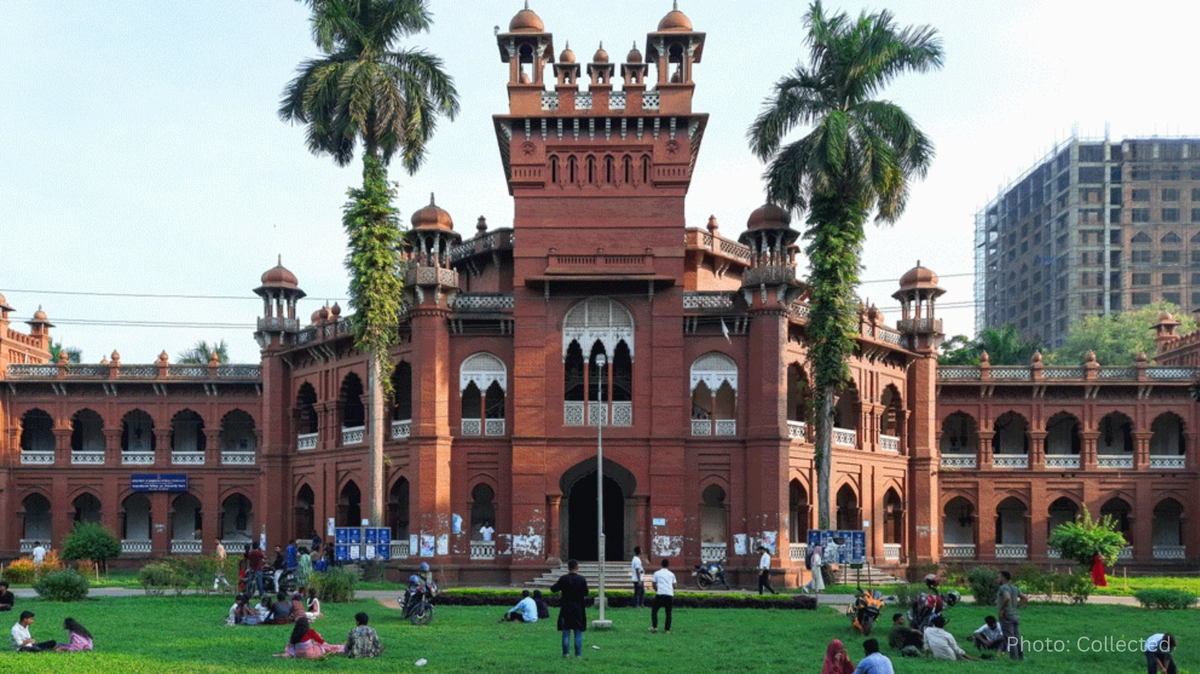
DU to Open Undergraduate Admission Applications on 11 November, Tests Begin 5 December


