Pran-RFL to Cultivate Hilsa Indoors for First Time, Invests Tk 4.3bn
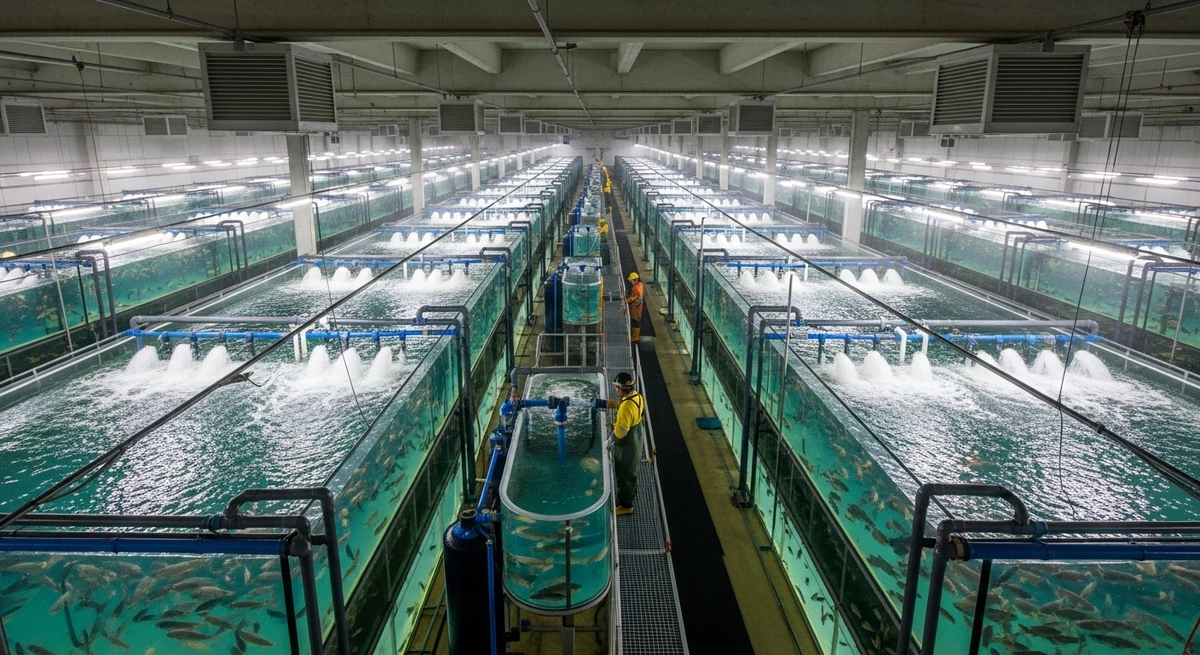
Pran-RFL Group, in partnership with Denmark’s Ascentoft Aqua, will commercially farm hilsa in an indoor artificial environment for the first time in Bangladesh. The high-tech aquaculture project will involve an investment of 30 million euros (around Tk 4.3 billion)
In a groundbreaking move that could reshape the future of Bangladesh’s national fish, Pran-RFL Group has announced plans to commercially cultivate hilsa in an indoor artificial environment for the first time in the country.
The project will be implemented jointly with Denmark-based Ascentoft Aqua Limited, using advanced technology-driven aquaculture systems. The total planned investment is 30 million euros, equivalent to approximately Tk 4.3 billion, and will be made in two to three phases over the next two years.
Alongside hilsa, the project will also cultivate Asian seabass (coral) and other marine fish species in a state-of-the-art indoor facility. A formal agreement for the initiative was signed between the two companies on Thursday.
The facility is expected to be set up at the Mirsarai Economic Zone or another mutually agreed suitable location.
Hilsa holds deep emotional, cultural and economic significance for Bangladesh and commands a premium price in international markets. Demand continues to rise among Bangladeshi expatriates in the Middle East, Europe, the United States, Canada and Australia. However, reliance on natural river systems, seasonal fishing bans and environmental changes have long restricted production and exports, often causing shortages in the domestic market despite high prices.
How hilsa will be cultivated using RAS technology
The project will use Recirculating Aquaculture System (RAS) technology, a fully controlled indoor fish farming method where water quality, temperature, oxygen levels, salinity and waste management are precisely regulated.
In this system, water is continuously filtered, purified and reused, significantly reducing water consumption while lowering disease risks. The project will establish the entire production chain, including broodstock management, hatchery and nursery facilities.
Each fish will be grown to a target weight of 1,200 to 1,500 grams. Once fully operational, the facility aims to produce around 2,000 metric tonnes of fish annually, with a significant portion earmarked for export markets.
If successful, the initiative could mark a major breakthrough in sustainable hilsa production and position Bangladesh as a global leader in high-value indoor marine aquaculture.
The project will be implemented jointly with Denmark-based Ascentoft Aqua Limited, using advanced technology-driven aquaculture systems. The total planned investment is 30 million euros, equivalent to approximately Tk 4.3 billion, and will be made in two to three phases over the next two years.
Alongside hilsa, the project will also cultivate Asian seabass (coral) and other marine fish species in a state-of-the-art indoor facility. A formal agreement for the initiative was signed between the two companies on Thursday.
The facility is expected to be set up at the Mirsarai Economic Zone or another mutually agreed suitable location.
Hilsa holds deep emotional, cultural and economic significance for Bangladesh and commands a premium price in international markets. Demand continues to rise among Bangladeshi expatriates in the Middle East, Europe, the United States, Canada and Australia. However, reliance on natural river systems, seasonal fishing bans and environmental changes have long restricted production and exports, often causing shortages in the domestic market despite high prices.
How hilsa will be cultivated using RAS technology
The project will use Recirculating Aquaculture System (RAS) technology, a fully controlled indoor fish farming method where water quality, temperature, oxygen levels, salinity and waste management are precisely regulated.
In this system, water is continuously filtered, purified and reused, significantly reducing water consumption while lowering disease risks. The project will establish the entire production chain, including broodstock management, hatchery and nursery facilities.
Each fish will be grown to a target weight of 1,200 to 1,500 grams. Once fully operational, the facility aims to produce around 2,000 metric tonnes of fish annually, with a significant portion earmarked for export markets.
If successful, the initiative could mark a major breakthrough in sustainable hilsa production and position Bangladesh as a global leader in high-value indoor marine aquaculture.
Related News




You may like




Tom Holland Says Marvel Has a Plan for the Next Spider-Man
August 1, 2026
Elected News
-
Bangladesh Seeks UN Women Support on Digital Harassment and Women’s Empowerment
-
Bangladesh, Australia Discuss Human Trafficking, Irregular Migration and Rohingya Crisis
-

Bangladesh Plans Internet-Free Access to Mobile Banking and Financial Apps
-
DU to Open Undergraduate Admission Applications on 11 November, Tests Begin 5 December


